The Seniority Edit: Seven Everyday Phrases to Sharpen in UK Meetings
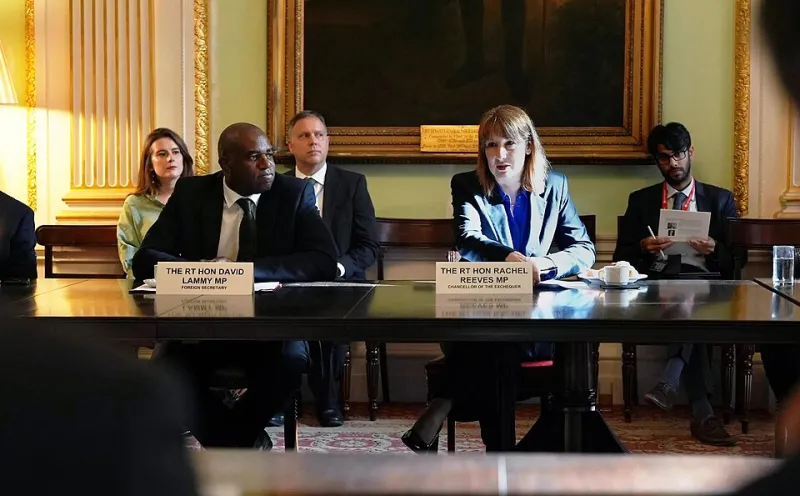
Photo: Foreign, Commonwealth & Development Office , CC BY 4.0, via Wikimedia Commons
International professionals often arrive in UK workplaces with impressive technical fluency and a well-stocked vocabulary. Yet fluency and seniority are not the same thing. In British business settings, authority is frequently carried by restraint, precision and a certain economy of language. The difficulty is that the same culture also rewards politeness, understatement and a reluctance to appear pushy. The result is a narrow path: too soft, and your contribution can sound junior; too blunt, and it can sound out of step.
At Perfect English, we see this pattern in coaching sessions across 2026. The issue is rarely grammar. It is the small words that surround a good idea. Below are seven everyday phrases worth auditing, with alternatives that preserve courtesy while giving your point more weight.
1. “Just”
“Just” is the great minimiser. It can make a reasonable request sound like an imposition and a clear proposal sound like a tentative thought. In a meeting, “I just wanted to raise the timeline” can imply that the timeline is a minor matter. On a call, “I’m just checking” can suggest that you expect to be dismissed. In writing, “Just following up” can make a legitimate follow-up feel apologetic.
Try instead: “I wanted to raise the timeline.” “I’m checking the status of the report.” “I’m following up on the actions from Tuesday.” The difference is small but decisive: you are still courteous, but you are no longer asking permission to have a view.
2. “Maybe”
“Maybe” has its place when uncertainty is genuine. Used as a reflex, however, it hands the decision to someone else. “Maybe we could review the budget” sounds less like a recommendation than a hope. In UK meetings, where consensus matters, this can be especially costly: colleagues may hear indecision rather than flexibility.
Try instead: “I recommend we review the budget.” “One option is to review the budget.” “Could we agree to review the budget by Friday?” Each version keeps the door open without making your judgement sound optional.
3. “Sorry”
Apologising is a British reflex, and a little of it oils the social machinery. But repeated apology in professional settings can erode authority. “Sorry, can I add something?” “Sorry, I don’t quite follow” and “Sorry to bother you” all frame your participation as an interruption.
Try instead: “May I add something?” “Could you clarify that point?” “I’d like to pick up on the earlier question.” Save “sorry” for genuine error or genuine inconvenience. When it is used sparingly, it retains its value.
4. “A little”
“A little” is a softener that often creates ambiguity. “I have a little concern about the deadline” may be heard as a minor point, even when the concern is significant. “We need a little more time” can sound like a small extension rather than a material risk.
Try instead: “I have a concern about the deadline.” “We need additional time to complete the testing.” “There is a risk to the current date.” Precision is not rudeness; it is a service to the meeting.
5. “Actually”
“Actually” can be useful when correcting a factual point, but it often carries a faint note of surprise or contradiction. “Actually, the figures are different” can sound as if you are scoring a point. In UK settings, where disagreement is often softened, this can make an accurate contribution feel sharper than intended.
Try instead: “The figures show a different picture.” “I have a slightly different reading of the data.” “May I clarify the figures?” You can correct the record without making the correction the main event.
6. “Hopefully”
“Hopefully” is friendly, but it can also sound passive. “Hopefully, we can meet the deadline” places the outcome in the hands of chance. Senior communication tends to name the condition and the action.
Try instead: “If the testing completes on Thursday, we can meet the deadline.” “We can meet the deadline provided the sign-off arrives by Wednesday.” This is still measured, but it shows that you are managing the situation rather than wishing it well.
7. “I think”
“I think” is not always a weakness. In British meetings, it can be a useful way of signalling that you are offering a view rather than a decree. The problem is repetition. When every sentence begins with “I think”, your expertise can sound like opinion and your recommendations can sound provisional.
Try instead: “My view is that…” “The evidence suggests…” “I recommend…” “What I would propose is…” Use “I think” when you genuinely want to flag a judgement call. Use a stronger frame when you are speaking from evidence or responsibility.
A final edit for written follow-ups
The same discipline applies after the meeting. Compare “I just wanted to check if maybe we could possibly revisit the timeline” with “I am checking whether we can revisit the timeline.” The second is not cold. It is clear. In 2026, UK teams are busy and distributed; clarity is a form of respect.
None of this requires you to become someone else. It requires a deliberate edit. Choose one phrase from this list and audit it for a week, in meetings, on calls and in email. You will likely find that the substance of your contribution was never the problem. The frame was.